
Late-Summer Pest Pressure Around the Home
What stinging insects, ants, spiders, and ticks may be telling you about conditions around your home.

Late summer is when many homeowners start noticing more pest activity around decks, rooflines, patios, pet areas, and exterior entry points. That doesn’t mean panic is appropriate. It usually means outdoor conditions have shifted in ways that make certain pests more active, more visible, or more likely to move closer to the home.
Planet Friendly Pest Control approaches these situations with a calm, inspection-first mindset. The goal isn’t to remove every insect from the outdoors; it’s to reduce the conditions that bring pests too close to your home, your pets, and the places your family uses every day.

FREE Home Pest Inspection + FREE eBook
For a limited time, qualifying homeowners in Southern Maryland and Northern Virginia can request a free home pest inspection and receive the free digital guide, “Pets and Pest Control: What Every Pet Family Should Know.”
Book Your Free Inspection

A Note From Gene
In late summer, many pest issues become more noticeable for a simple reason: outdoor conditions are changing. Colonies are maturing. Food and water patterns shift. People and pets are spending time outside in the same areas where pest pressure may be building.
That is why careful inspections matter so much this time of year. When pest activity increases around a home, the right response is not guesswork or overreaction. It is to understand what is happening outside, where pressure is building, and how to make thoughtful decisions that protect the home while respecting family routines, pets, and the environment.
If a homeowner wants pest control that is pet-friendly, eco-friendly, and guided by professional judgment rather than routine overuse, Planet Friendly exists for that purpose. The aim is long-term peace of mind, not a short-term blast-and-hope approach.

Why stinging insects become more active in late summer.
Late summer is when many wasp and hornet colonies reach their largest size. As colonies grow, competition for food increases and defensive behavior can increase with it, which is one reason homeowners suddenly feel like a previously quiet area has become much more active.
This activity often shows up around rooflines, eaves, sheds, decks, outdoor furniture, and play areas. These are exactly the kinds of places families and pets use without thinking much about what may be developing above, below, or just behind them.
One common mistake is disturbing a nest too quickly or assuming every sign of flying insect activity requires a heavy-handed response. Proper identification matters. So does understanding whether the issue is incidental outdoor activity, a developing nest near a high-traffic family area, or a more direct risk around entry points and pet zones.


Why ants and spiders become more noticeable around homes.
Ants and spiders often become more noticeable in late summer for different reasons, but both usually connect back to outdoor conditions. Ants may search more intensively for water and food during hot, dry stretches. Spiders often gather where insects are already concentrating, especially near exterior lighting and entry points.
That is why the first question is not simply, “What product should go down?” It is, “What conditions are supporting this activity?” Moisture around the home, vegetation contact, entry gaps, foundation conditions, and exterior lighting patterns can all change how much pressure builds around the structure.
This is one of the clearest examples of Planet Friendly’s outside-focused philosophy. Most crawling pests follow conditions that support them. When those conditions are identified and addressed properly, the response becomes more thoughtful, more targeted, and more appropriate for homes with pets.
Why tick protection still matters in late summer.
Many homeowners mentally file ticks under “spring problems,” but tick exposure can remain important in late summer, especially in tall grass, shaded areas, wooded edges, and landscaping transitions. Pets are often the first clue that tick pressure is present because they move through these areas more often and bring that evidence back toward the home.
This is one reason pet families need a broader view of outdoor protection. Tick pressure is not just about one patch of yard. It is often connected to wildlife movement, shade, moisture, plant density, and the routes pets use every day.
Outside-focused protection matters here because the goal is to pay attention to habitat, traffic patterns, and higher-risk areas instead of treating the issue as if it begins and ends indoors. Smart decisions outside the home often do the most to reduce what eventually comes inside.

5 late-summer conditions worth correcting.

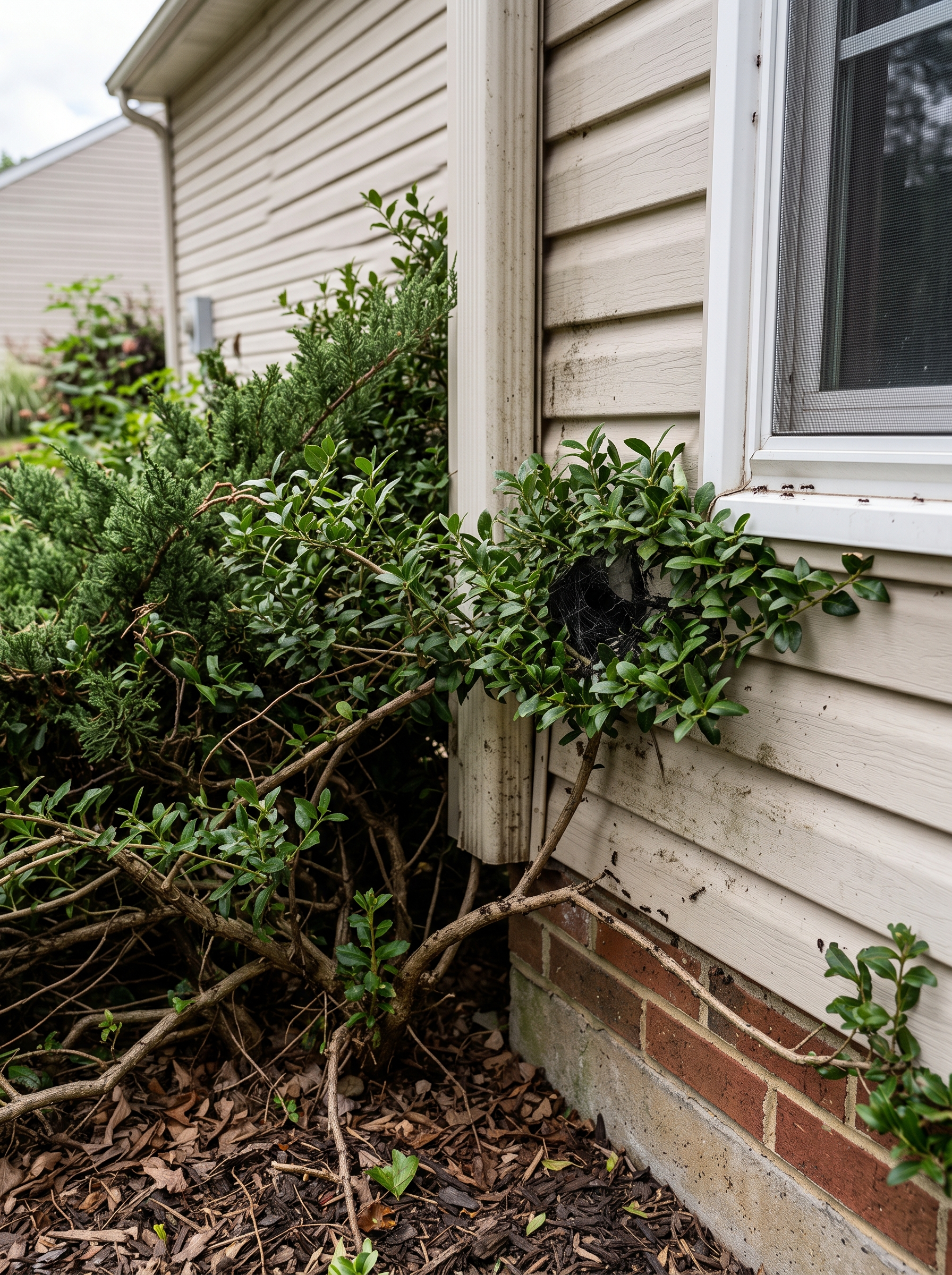
1. Overgrown vegetation near the home.
Dense plantings can create shelter, humidity, and easier pest movement near siding, entry points, and foundations.

2. Standing water or persistent moisture.
Water issues support a surprising amount of pest pressure, directly and indirectly.

3. Dense shrubbery or branches touching the structure.
Exterior contact zones can make it easier for pests to stay close to the home.

4. Exterior lighting that attracts insects.
Where insects gather, spiders and other predators often follow.

5. Pet bowls left outdoors overnight.
Food and water left outside can invite late-summer activity much closer to the home than most families realize.

Pet corner: creating safer outdoor spaces for pets.
Pets use outdoor spaces differently than people do. They rest in shade, sniff along fence lines, move through planting beds, lie near doors, and return to the same traffic paths every day. That means a smart pest strategy should pay special attention to where pets actually spend time, not just where homeowners happen to notice activity first.
In late summer, that can mean paying closer attention to tick-prone edges, shaded resting spots, and the zones where pets move between lawn, patio, and doorway. It can also mean making more careful decisions about placement, timing, and whether a condition problem can be corrected before a heavier response is considered.
For pet families, peace of mind comes from knowing pest decisions are being made with the whole living environment in mind. That includes the yard, the outdoor hangout spots, and the routes pets use every day.
What the Planet Friendly team watches closely in late summer.
During late-summer inspections, a thoughtful technician is not just looking for “bugs.” The better question is: what patterns are developing around the property?
Common things worth watching include:
 Wasp flight activity near rooflines, decks, and eaves.
 Tick-prone landscaping transitions and shaded edges.
 Spider web concentration near lighting and entry points.
 Moisture near foundations and exterior trouble spots.
 Activity in pet zones, play areas, and family gathering spaces.
This is where professional judgment matters. Two homes can show similar pest activity on the surface while needing very different recommendations based on layout, pet patterns, moisture, and how the outdoor space is used.

Help us spread the news.
Planet Friendly aims to do more than solve pest problems. Our mission is to promote a more thoughtful approach to protecting homes, pets, and the Chesapeake Bay.
If this newsletter prompts you to think of a friend, neighbor, or fellow pet owner in Southern Maryland or Northern Virginia who may need Planet Friendly Pest Control, please share it. If someone you refer hires Planet Friendly and says they were referred by you, we’ll make a $25 donation to the Chesapeake Bay Foundation. Refer four friends, and we’ll make a $100 donation on your behalf. Our next donation date will be September 30.
That makes sharing simple: help another family discover a calmer, pet-first approach to pest control, and help support the Bay at the same time.

Share this newsletter or send a friend the free inspection offer.
When your friend tells Planet Friendly you referred them and they hire us, we make a $25 Chesapeake Bay Foundation donation in your name.
 Share planetfriendlypestcontrol.com – or have them call 703-721-4729.

FREE Home Pest Inspection + FREE eBook
If you live in Southern Maryland or Northern Virginia and want a professional assessment of the conditions around your home, request a free home pest inspection and receive the free digital guide, “Pets and Pest Control: What Every Pet Family Should Know.”
Visit planetfriendlypestcontrol.com – or call 703-721-4729.
Book Your Free Inspection