
September Spider Season and Fall Prep Around the Home
Why spiders seem to appear everywhere in September and how early fall prep keeps the pressure outside.

Why do spiders seem to be everywhere in September?
One September morning, a web that went unnoticed all summer may suddenly stretch across a porch rail, walkway, or corner of the front door. It can feel as though spiders appeared overnight. Most have been nearby for months.
Many common outdoor spiders hatch in spring and spend the summer growing. By late summer, they are larger, mature, and easier to see. Orb-weaving spiders are also building some of their largest webs of the season. Cooler nights leave dew on the silk, outlining webs that were nearly invisible on warm, dry mornings.
September is also mating season for many species. Mature males leave their hiding places and travel in search of females. In homes with pets, doors may open many times a day for walks and trips into the yard. Each opening gives a wandering spider another chance to slip inside.
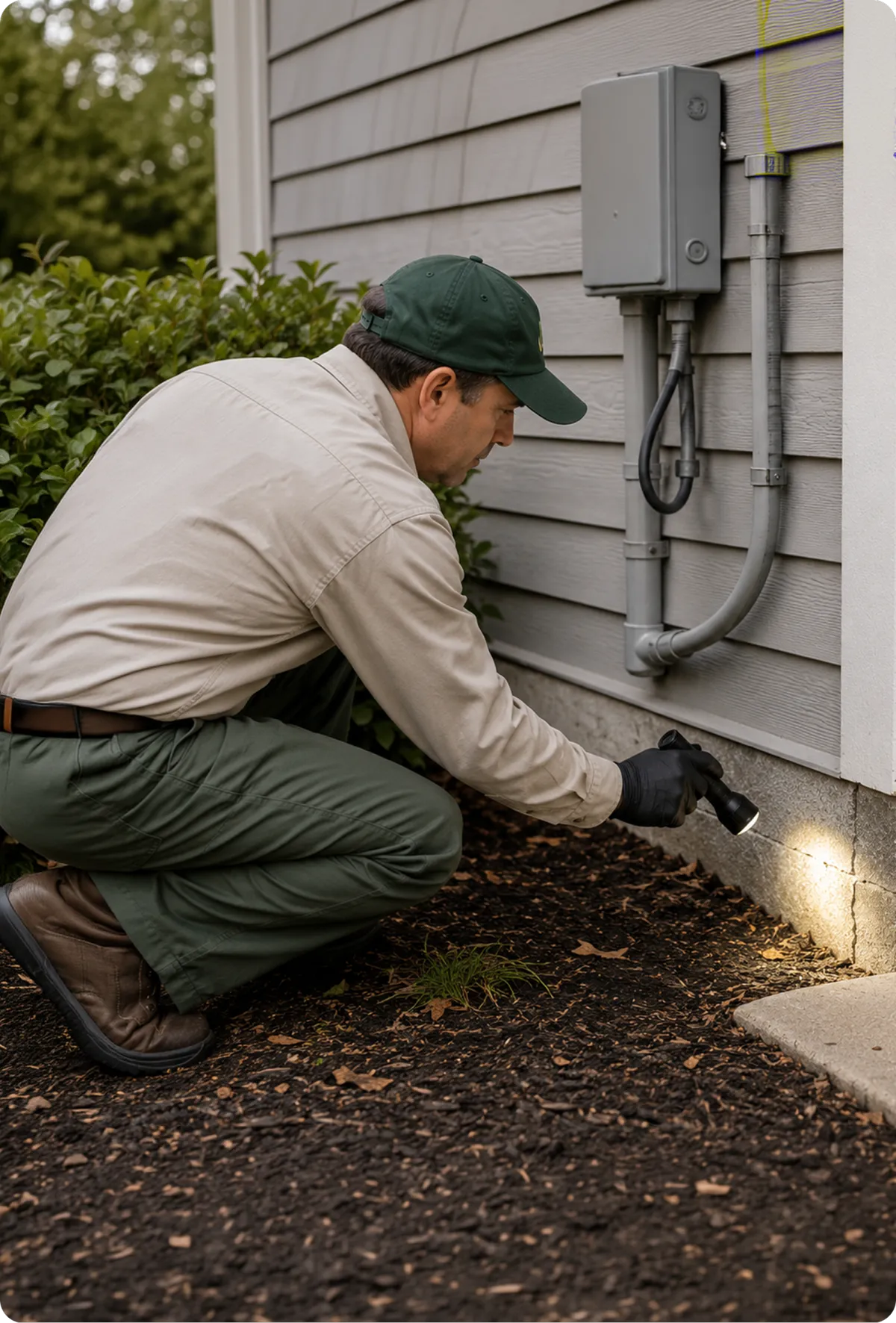
This activity does not always mean the home has an infestation. Often, homeowners are noticing larger spiders, bigger webs, and more movement. Our September inspection identifies where spider activity is highest, especially around doors, pet routes, porch corners, lights, and other unwanted areas. When treatment is needed, we can target only those specific places. The goal is to touch the home as gently as possible while helping keep spiders off the house and away from the places your family and pets use most.
 FREE EARLY-FALLS HOME PEST INSPECTION + FREE EBOOK
For a limited time, qualifying homeowners in Southern Maryland and Northern Virginia can request a free early-fall pest inspection and receive the free digital guide, “Pets and Pest Control: What Every Pet Family Should Know".
A Note From Gene
Each September, I begin to see the same small changes around homes in our area.
Webs gather near porch lights and doorways. Soil settles beside the foundation. A piece of trim shifts just enough to leave a narrow gap. A garage door that closed tightly in spring may show a thin line of daylight at one corner.
None of these signs proves there is a pest problem. But together, they show how the house and the season are beginning to change.
My job is to understand what those signs mean and help the homeowner decide what, if anything, should be done. Sometimes the answer is as simple as removing webs near a busy doorway, changing a light that draws insects toward the house, or repairing a gap a mouse may use when the weather turns colder.
That is how we work at Planet Friendly. We do not treat every web, gap, or sound in the wall as an emergency. We first look at what is happening outside, how the family and pets use the space, and where pests may be finding food, water, shelter, or a way inside.
Often, a small correction is enough. When treatment is needed, we use careful placement and the least intervention the situation calls for.
If you would like a second set of eyes on your home as fall approaches, I would be glad to help.

Planet Friendly Pest Control
Why spiders become more visible in September.
Many homeowners notice more spider webs in September for a simple reason: spider activity often peaks as temperatures start to shift and many species enter their mating season. Male spiders roam more widely in search of mates, and webs are frequently rebuilt or moved to take advantage of changing insect traffic around lights and entry points.
Spiders tend to follow their food. Outdoor lights that attract flying insects, and sheltered spots near eaves and railings all become attractive locations. When those areas are close to entry doors and walkways, it can make everyday routes feel crowded with webs.
A common mistake is treating every web as an emergency. Most spiders around homes are not medically important and help reduce insect pressure. The key questions are: Where are webs concentrated? Are spiders building repeatedly near high-traffic human and pet areas? And is that activity telling us something about broader conditions that should be addressed?

 SEEING MORE WEBS THAN USUAL?
If spider webs are building up around doors, lights, or pet areas, schedule a free home pest inspection and get the free eBook, “Pets and Pest Control: What Every Pet Family Should Know".
Planet Friendly’s approach to spider control.
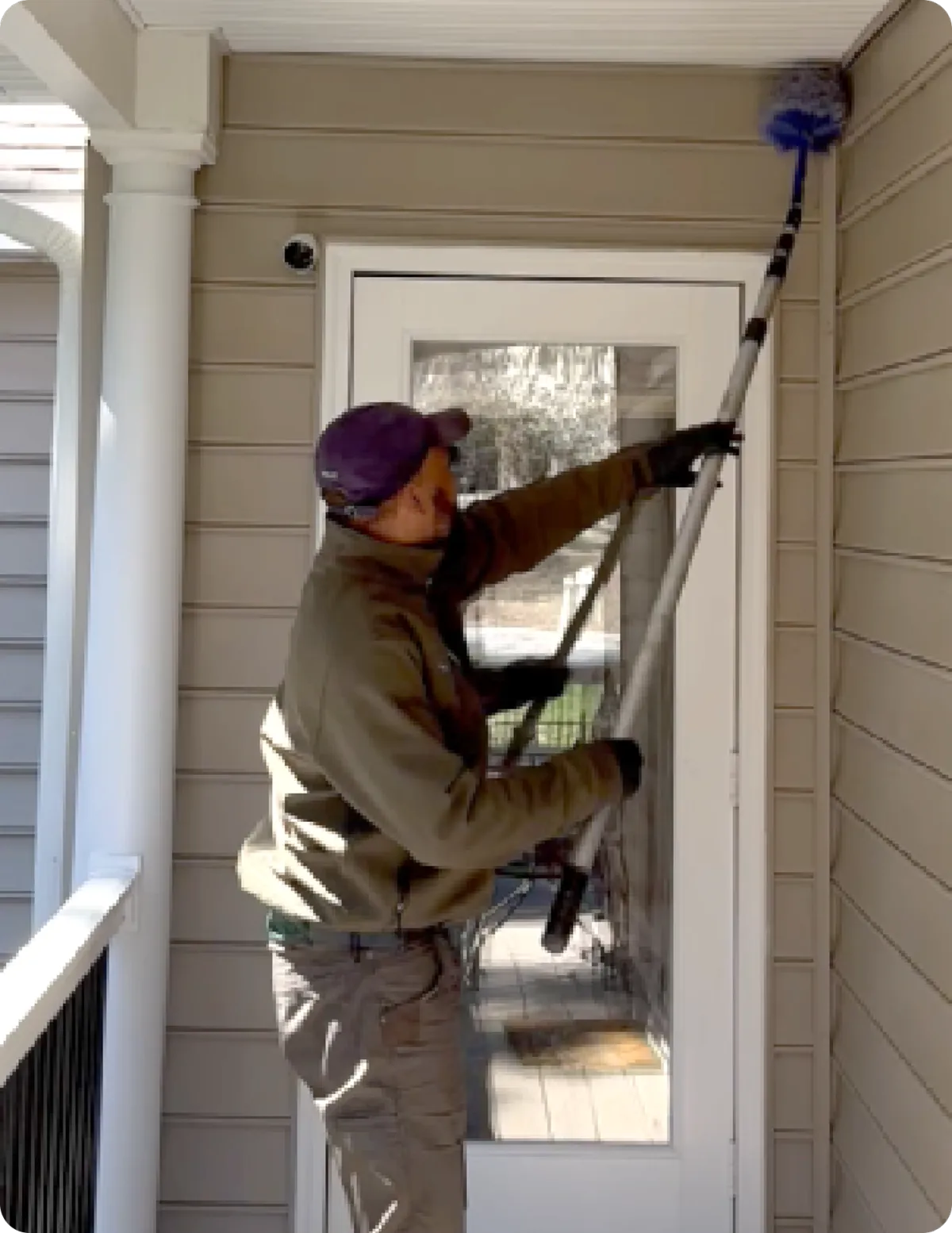
For Planet Friendly, spider management starts with inspection and simple corrections.

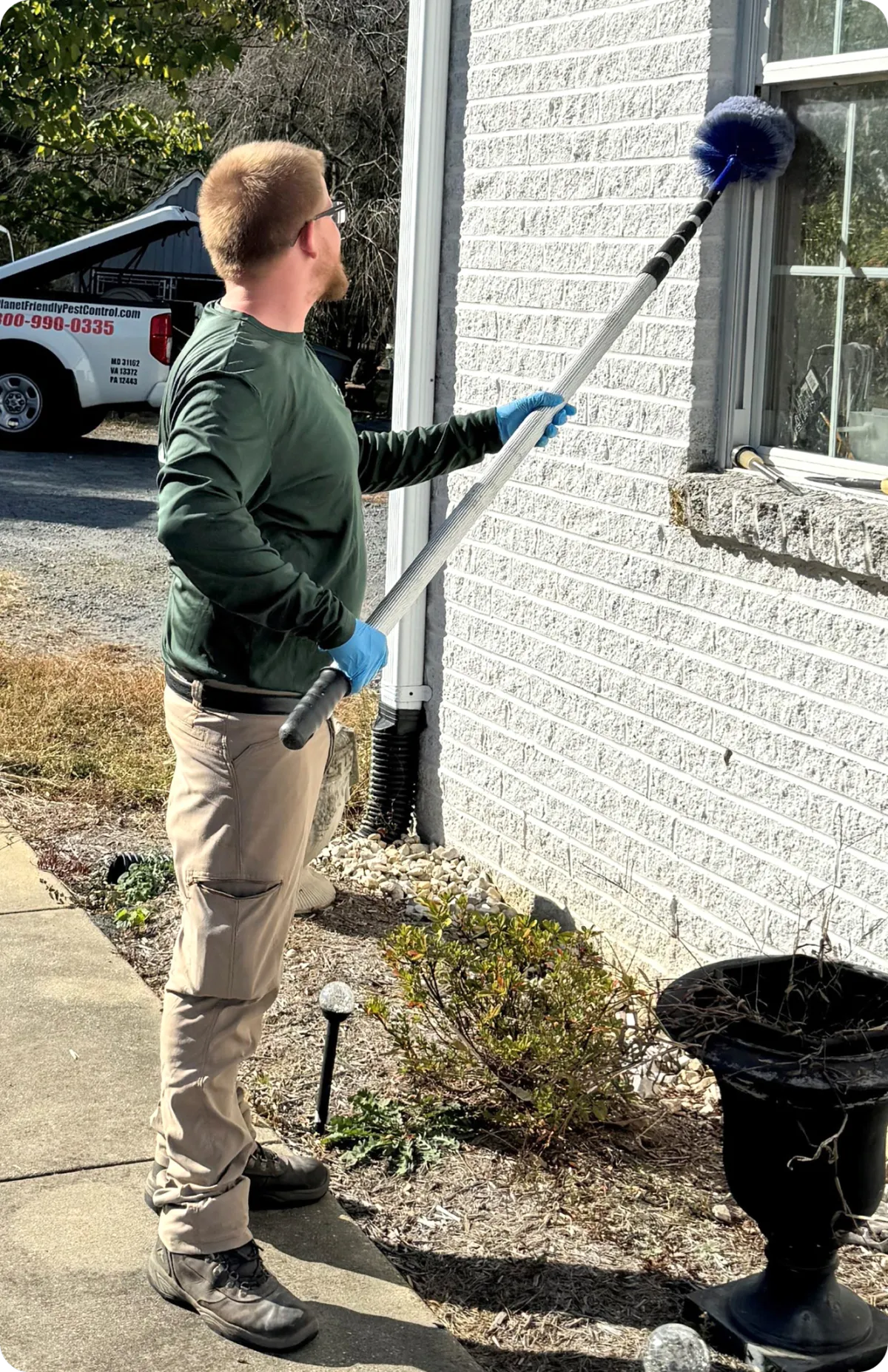
Web removal and cleaning in key zones.
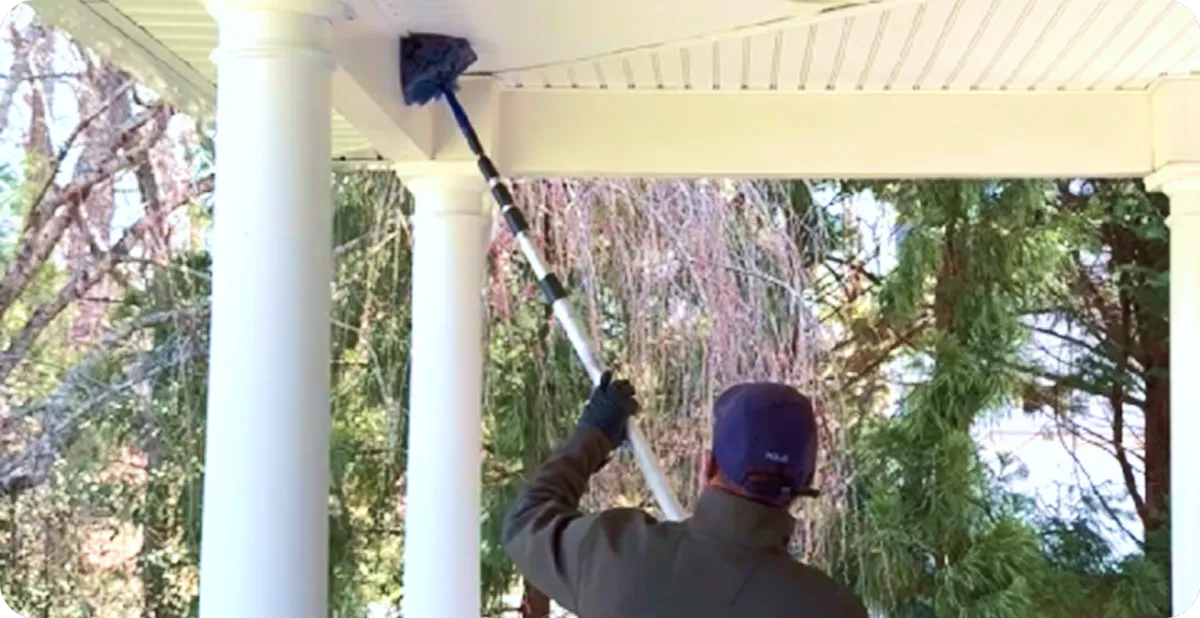
Sweep or vacuum webs from around entry doors, porch lights, railings, and window corners. Removing webs regularly makes these areas less attractive for repeated spider activity.

Adjusting lighting and insect attraction.
Where practical, shifting to warmer-spectrum bulbs, reducing overnight lighting, or relocating fixtures can cut down on insect activity – and the spiders that follow it.

Checking for underlying insect issues.
Heavy spider webbing can be a sign that other insects are thriving around the property. Those patterns are identified and addressed thoughtfully rather than treating spiders in isolation.
When product use is appropriate, Planet Friendly favors targeted perimeter applications and spot treatments instead of broad, routine spraying. That fits an outside-focused philosophy and is especially important for pet families spending time near decks, patios, and yard edges.
5 early-fall tasks to reduce spider and rodent pressure.
1. Clear webs and debris from key exterior zones.
Sweep or vacuum webs from around entry doors, porch lights, railings, and window corners. Removing webs regularly makes these areas less attractive for repeated spider activity.

2. Trim vegetation and remove clutter near the foundation.
Overgrown shrubs, stacked items, and debris piles create shelter for rodents and insects. Keeping a small buffer between plantings and the structure can reduce both harborage and hidden travel routes.

3. Inspect and tighten doors, screens, and vents.
Replace worn weatherstripping, add or repair door sweeps, and fix damaged screens on doors, windows, and foundation vents. Even small gaps can be big enough for a mouse.

4. Seal obvious gaps and utility penetrations.
Use appropriate materials, such as metal mesh combined with sealant, to close openings around pipes, cables, and lines. Mice can fit through a hole about the size of a dime, so thoroughness matters.

5. Store food and pet supplies thoughtfully.
Keep pantry items, birdseed, and pet food in sealed containers, and avoid leaving pet food outside overnight. Good sanitation reduces the incentive for rodents and insects to test the structure in the first place.

These are not dramatic fixes, but together they can make a noticeable difference in how inviting your property is to fall invaders.

Pet corner: making early fall easier on pets.
When spiders and insects become more noticeable in September, many homeowners reach for a store-bought spray. The problem is that spraying before identifying the pest or the reason it is there may add pesticides to the places a pet uses without correcting the condition that caused the activity.
Dogs and cats live close to the surfaces being treated. They walk along foundation edges, explore beneath shrubs, rest near doors, and brush against walls and corners. Residue may collect on their paws or coat and later be taken in as they lick and groom. Unnecessary or poorly placed applications can create exposure that did not need to occur.
A pet-first approach begins with a closer look. Spider webs may point to insects gathering near a porch light. Ants may be following moisture or food. A pet watching one corner of the garage may be noticing early rodent movement. These are useful clues, not automatic reasons to spray.
When a product is truly needed, the choice, amount, placement, and timing should account for the label and the way pets use the area. The goal is not to treat every sighting. It is to understand what is happening and use only the intervention the home actually needs.
 FREE INSPECTION FOR PET FAMILIES
If you want a professional, pet-first assessment of your home, request a free home pest inspection and receive the free digital eBook, “Pets and Pest Control: What Every Pet Family Should Know".
What the Planet Friendly team watches closely in September.
During early-fall inspections, a thoughtful technician is not just counting webs or looking for droppings. The better question is what patterns are developing around the property.
Common things worth watching include:

Spider web concentration near exterior lights and high-use entry points.

Small gaps under doors, especially garage doors and side entries.

Utility penetrations and foundation transitions that could admit rodents.

Areas of dense vegetation or clutter along the foundation.
Pet routes between yard, patio, and doors, including resting spots and shade zones.
This is where professional judgment matters. Two homes can show similar spider activity or the same number of small gaps while needing very different recommendations based on layout, pet patterns, moisture, and how the outdoor space is used.
Help us spread the news.
Planet Friendly aims to do more than solve pest problems. Our mission is also to promote a more thoughtful approach to protecting homes, pets, and the Chesapeake Bay.
If this newsletter prompts you to think of a friend, neighbor, or fellow pet owner in Southern Maryland or Northern Virginia who may need Planet Friendly Pest Control, please share it. If someone you refer hires Planet Friendly and says they were referred by you, we’ll make a $25 donation to the Chesapeake Bay Foundation. Refer four friends, and we’ll make a $100 donation on your behalf. Our next donation date will be September 30.


Share this newsletter or send a friend the free inspection offer.
When your friend tells Planet Friendly you referred them and they hire us, we make a $25 Chesapeake Bay Foundation donation in your name.

Visit planetfriendlypestcontrol.com or have them call 703-721-4729.
FREE Early-Fall Home Pest Inspection + FREE eBook
If you live in Southern Maryland or Northern Virginia and want a professional assessment of the conditions around your home before fall pest pressure builds, request a free home pest inspection and receive the free digital guide, “Pets and Pest Control: What Every Pet Family Should Know".